
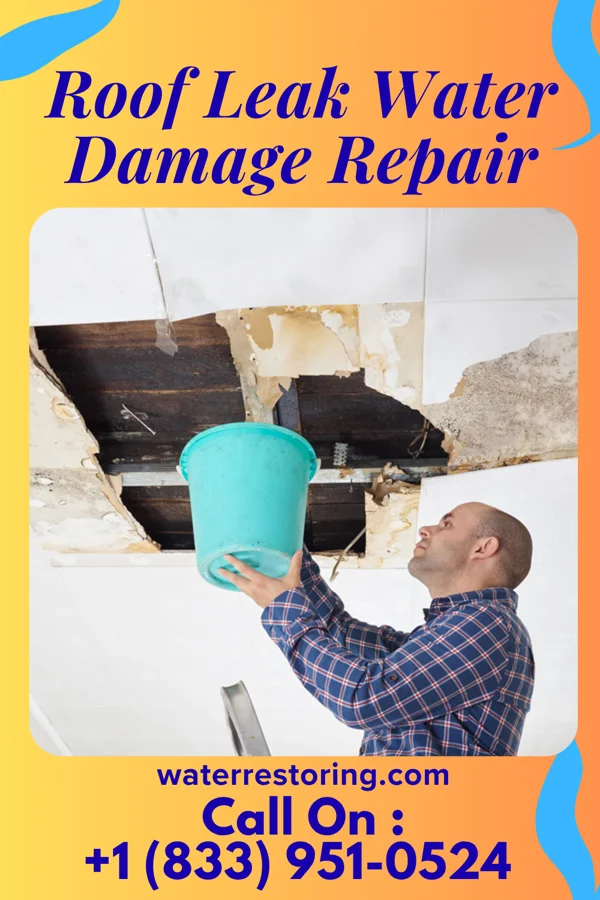
Roof Leak Damage in Tradesville
Property owners across Tradesville call certified water damage restoration when Tradesville, South Carolina experiences frequent thunderstorms and heavy downpours, especially during the spring and summer months. These sudden bursts of intense rainfall can overwhelm roofing systems, leading to leaks and water damage. The region's humid climate also contributes to prolonged moisture exposure, increasing the risk of structural issues.. A close second is In addition to thunderstorms, Tradesville is prone to occasional high winds that can dislodge roofing materials or damage gutters. The combination of wind and rain often leads to water infiltration, particularly around roof edges and flashing areas. This makes timely roof inspections and repairs critical to preventing long-term damage..
Tradesville's humid subtropical climate leads to persistent moisture issues, which can cause wood rot, mold growth, and weakened structural components. The combination of frequent rainfall and high humidity creates an ideal environment for water damage to develop and spread quickly if not addressed promptly.
Tradesville's humid subtropical climate leads to persistent moisture issues, which can cause wood rot, mold growth, and weakened structural components. The combination of frequent rainfall and high humidity creates an ideal environment for water damage to develop and spread quickly if not addressed promptly. The dominant local driver is Tradesville, South Carolina experiences frequent thunderstorms and heavy downpours, especially during the spring and summer months. These sudden bursts of intense rainfall can overwhelm roofing systems, leading to leaks and water damage. The region's humid climate also contributes to prolonged moisture exposure, increasing the risk of structural issues., with In addition to thunderstorms, Tradesville is prone to occasional high winds that can dislodge roofing materials or damage gutters. The combination of wind and rain often leads to water infiltration, particularly around roof edges and flashing areas. This makes timely roof inspections and repairs critical to preventing long-term damage. showing up as the next most common cause. Damage builds in stages. Spread. Absorption. Microbial growth. Structural compromise. Every stage you pass through adds to the final bill.